BeforeAfter
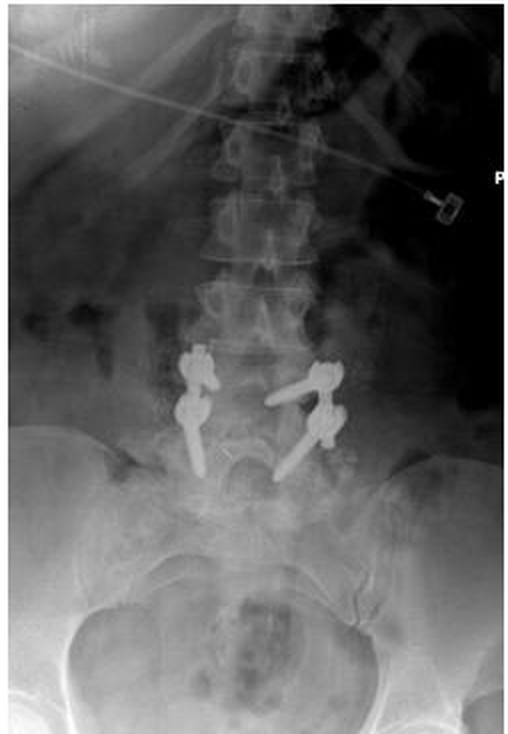
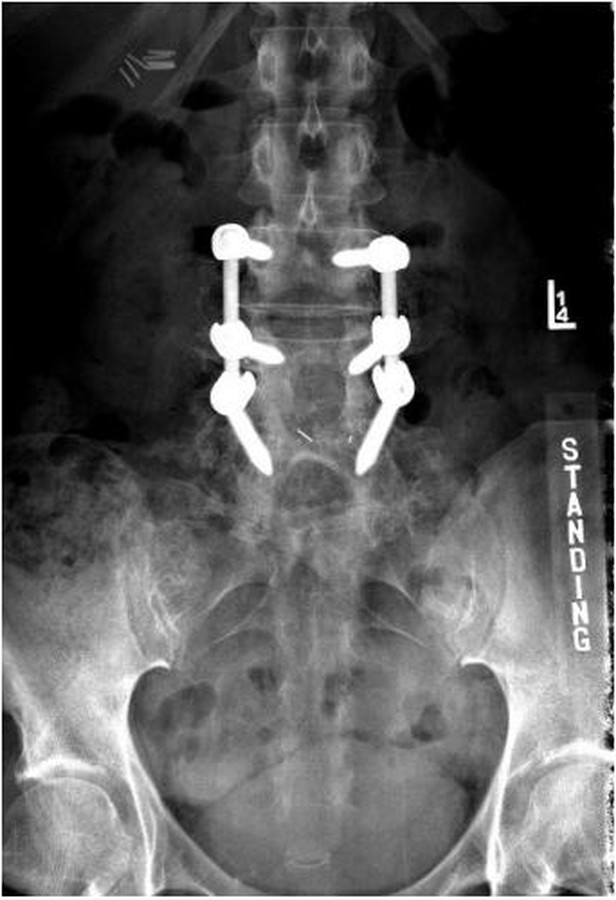
⇄
Drag to compare
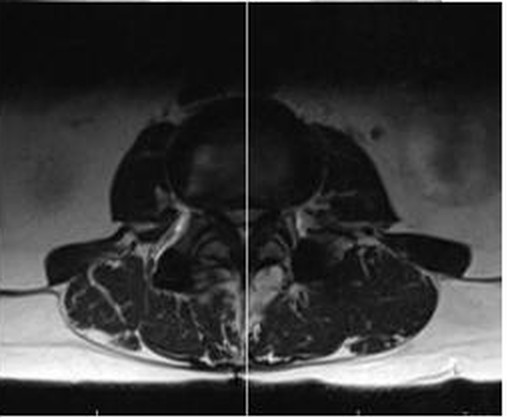
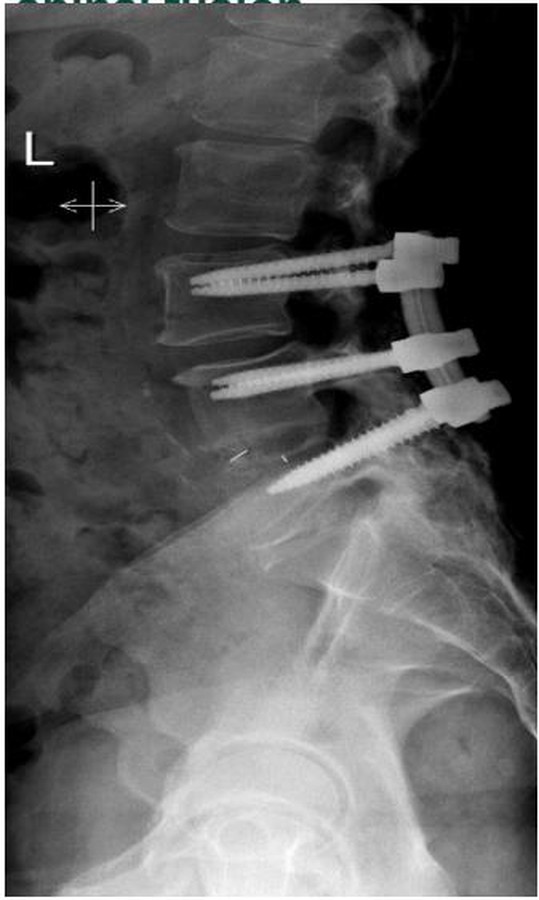
The films
Where in the spine
Cervical
C1
C7
Thoracic
T1
T12
Lumbar
L1
L3◀ original fusion (2007)
L4
◀ the failing neighbor level
L5◀ revision extended to here
Sacrum & pelvis
S1
When a fused level’s neighbor gives out.
A fusion stops motion at one level — and hands its share of the work to the level next door. Years later that neighbor can wear out: adjacent-segment disease.
The revision removed the 2007 hardware and extended the construct one level down, capturing the failing segment.
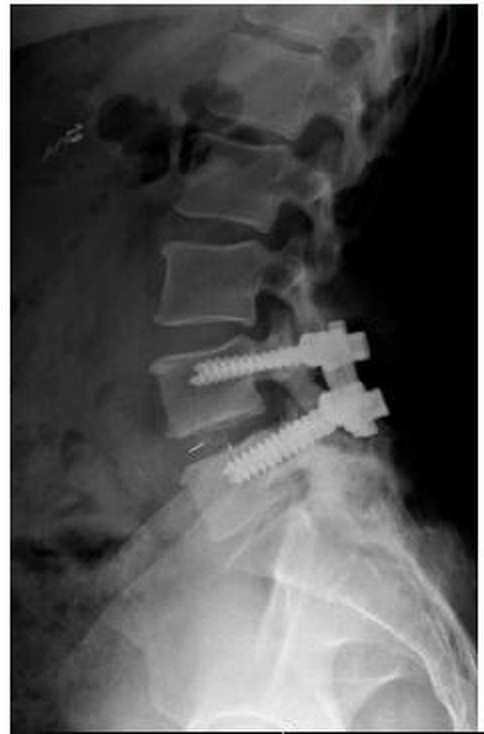
Original L3-L4 fusion (2007)
Adjacent level failing
Revision extended to L5
The course, in order
- 2007L3-L4 fusionThe original operation. Pain never fully settled.
- Years afterWorsening painGradual decline — the level beside the fusion breaking down.
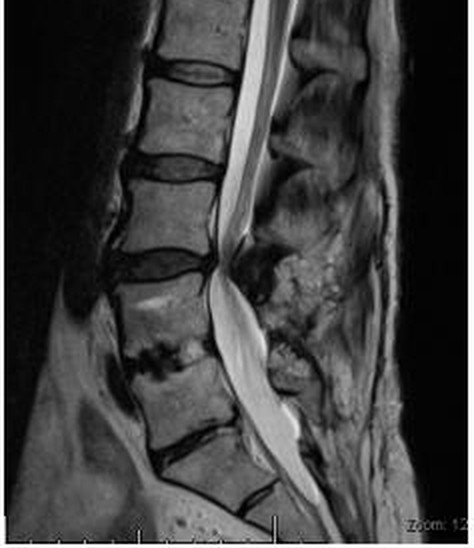
- 2016MRI: adjacent-segment diseaseThe neighbor level failing on imaging, matching the symptoms.
- RevisionL3-L5 fusionOld hardware out; construct extended across the failed segment.
Presentation
History of an L3-L4 fusion in 2007 with pain that never fully settled and then worsened.
Imaging
The 2008 films show the original hardware; the 2016 MRI shows adjacent-segment disease — the level beside the fusion breaking down.
Decision
Revision spine surgery is its own discipline: old hardware, scar, and a failing neighbor level all have to be solved in one plan.
What was done
L3-L5 revision posterior spinal fusion — the original construct removed and extended across the failed segment.
Prior-surgery patientOld hardware revisedFailing level captured
"The hardest cases usually arrive with someone else's hardware already in place."
All cases shown are real patients treated by Dr. Andrew Pugely, presented with de-identified imaging for education. Every spine — and every recovery — is different: individual results vary, and nothing on this page is a guarantee of outcome or a substitute for an in-person evaluation.
Have a case like this one?
Complex, revision, and workers' compensation spine referrals are seen quickly — call the office or start with the workers' comp team.