Real work-injury cases
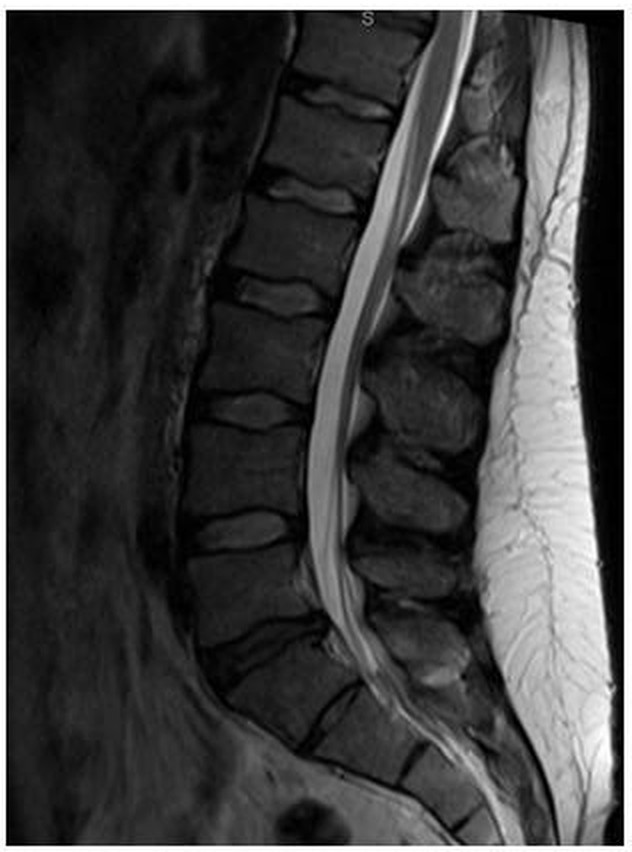 TREATED WITHOUT SURGERY
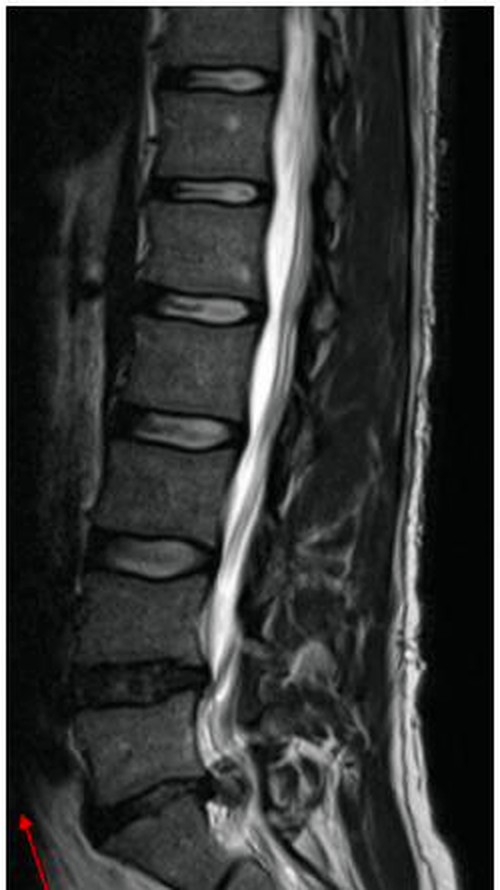 TREATED WITHOUT SURGERY
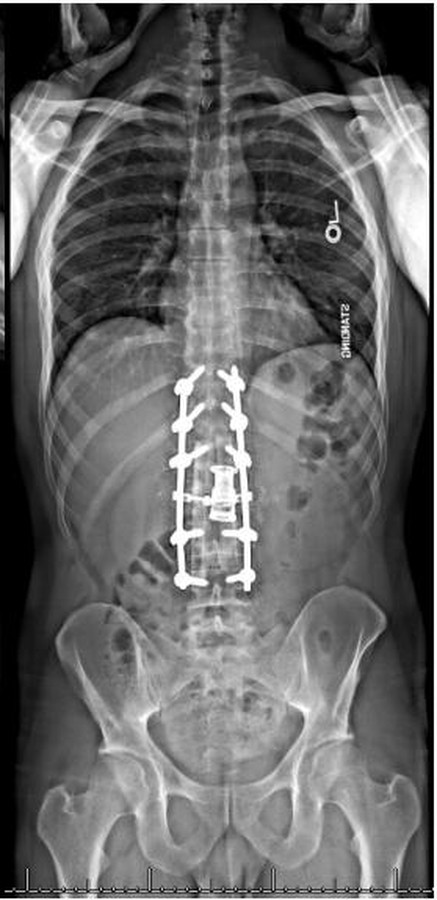 TRAUMA · SURGICAL
What these claims actually look like.
De-identified imaging from work injuries treated here — including the two most people assume need surgery and don't. The full library shows the films first, then the plan.
TREATED WITHOUT SURGERYC-01
Back injury at work — no surgery needed
Twisting injury on the job, no red flags. Full duty at six weeks with therapy alone.
Open the case →
TREATED WITHOUT SURGERYC-02
L5-S1 herniation — resolved without surgery
Lifting injury severe enough for a hospital admission — and it still settled without an operation.
Open the case →
TRAUMA · SURGICALC-05
L1 fracture from a fall — fusion with cage
Fall from height on a scaffolding job. An unstable fracture that was a surgical injury from day one.
Open the case →