I'm Andrew Pugely — an orthopaedic spine surgeon, researcher, and now the Medical Director of Orthopaedic Surgery for MercyOne Genesis. This page is the story of how I got here, why I left a decade in academic medicine to build this program, and the questions people actually ask me — answered plainly.

Trained at one of the nation's storied orthopaedic programs — where I also began the research career that would produce more than 110 peer-reviewed publications.
Advanced training in complex spine surgery at one of the most respected spine centers in the country.
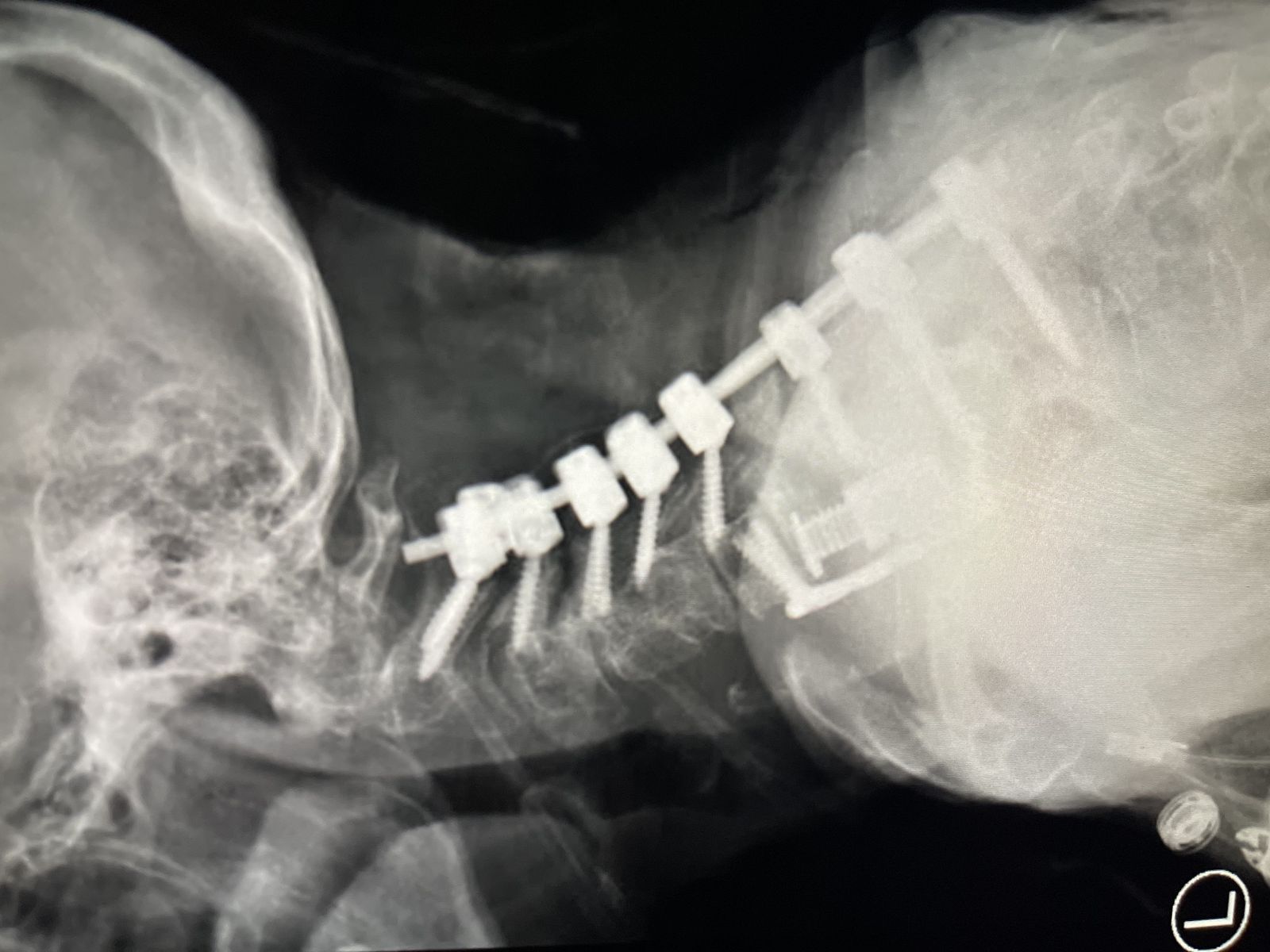
A second, deliberate fellowship — focused on the hardest problems in the field: scoliosis, kyphosis, and complex reconstruction. Very few surgeons train twice. I wanted the hardest cases, so I did.
Ten years caring for the state's most complex spine referrals — the failed fusions, the deformities, the cases other surgeons sent on. Along the way: a national research record, a Master of Health Care Delivery Science from Dartmouth, and a Deputy Editor role at the field's leading journal.
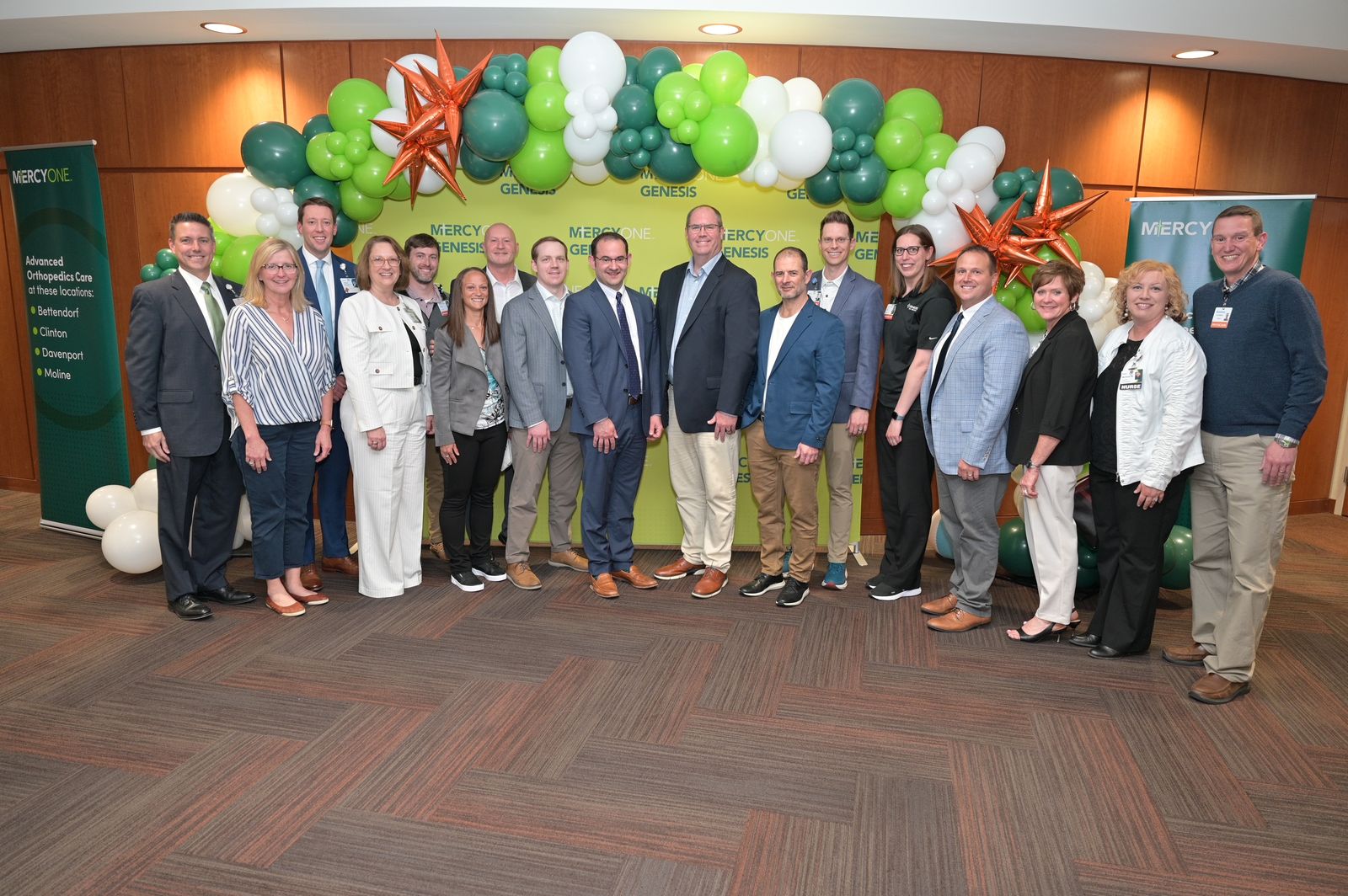
Building a university-caliber spine and orthopaedic program where patients actually live — a hand-picked surgical team, 24/7 emergency coverage, the newest robotics in the country, and a standard of evidence I spent a career learning.
I'm asked this constantly — by patients, by colleagues, by referring physicians. It deserves a straight answer.
I spent more than a decade at the University of Iowa: I trained there, joined its faculty, cared for the complex spine cases referred from across the state, taught the next generation of surgeons, and built a research record I'm proud of. I'm grateful for every year of it, and it remains a fine institution.
But week after week, I watched my patients drive two hours each way — from the Quad Cities, from Clinton, from the river towns — for spine care that should have existed closer to home. And I watched a health system in those communities ready to invest in exactly that. When MercyOne asked me to build and lead its orthopaedic program — to recruit the surgeons, set the standards, choose the technology, cover the emergency rooms, and be accountable for the outcomes — that was the job my entire career had been preparing me for.
"I didn't leave academic medicine. I brought it with me."
The evidence, the outcomes discipline, the journal, the research — all of it came along. What changed is where it lives: closer to the patients it was always for.
“Dr. Pugely has tried to help me when 2 other institutions would not, and also when another dr. in Iowa City refused. MUCH appreciated.”— verbatim patient survey comment, early 2023
Titles are cheap. Here's what the job actually is: the surgeon operating on you is also the physician accountable for the entire system around you.
